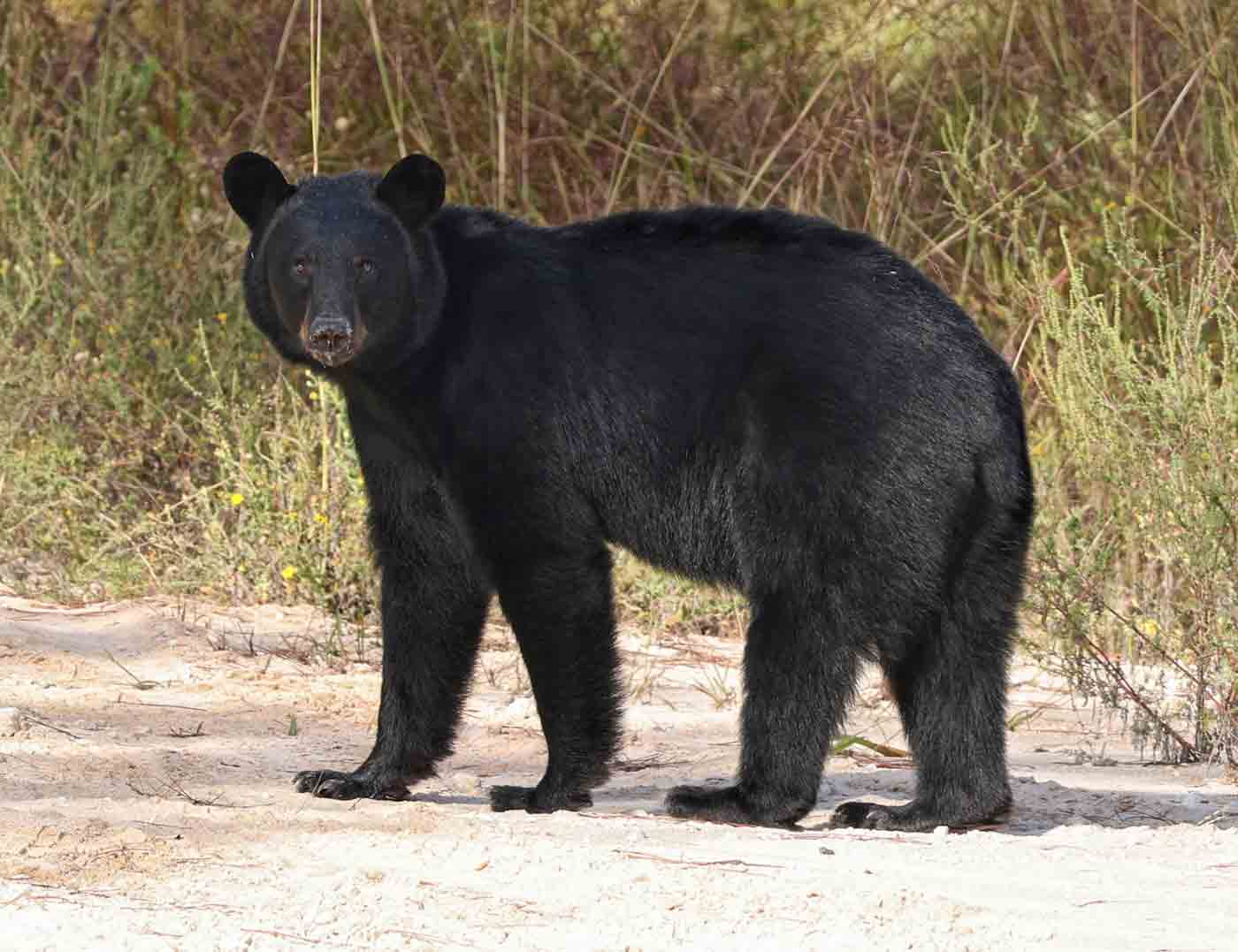
FLORIDA — Fifty-two bears were harvested during Florida’s 2025 black bear hunt, according to results released by the Florida Fish and Wildlife Conservation Commission (FWC).

Niceville.com Community Partner
FWC reported that the 52 harvested bears represent a hunter success rate comparable to other states with similar hunt structures. All harvested bears were physically checked by FWC staff and bear response contractors, and biological data collected during the checks is now being analyzed.
A full harvest report is expected to be released in the coming months, according to the agency.
The commission said the hunt was conducted under newly approved, highly regulated rules that took effect during the 2025 hunting season following public comment at August and November 2025 Commission meetings.

Niceville.com Community Partner
The updated rules established Bear Hunting Zones within four of Florida’s seven Bear Management Units. Through a random drawing, the Florida Fish and Wildlife Conservation Commission issued 172 permits across the East Panhandle, North, Central, and South management units, with each permit allowing the harvest of one bear within an assigned zone.
“The 2025 black bear hunt, rooted in sound scientific data, was a success,” said Roger Young, executive director of the Florida Fish and Wildlife Conservation Commission.
“The limited number of permits issued in areas with the largest bear populations and other components of the hunt prioritized a conservative approach that ensures the long-term health of bear populations in Florida, while providing opportunity for hunters.”
FWC officials said regulated hunting is one of several tools used to manage bear populations statewide.
Niceville.com Community Partner
“Hunting is an effective tool for managing wildlife populations around the world and is a key part of the North American Model of Wildlife Conservation,” said George Warthen, chief conservation officer for the agency.
“It’s about helping bears succeed over the long term in our state and is a way for us to guide an iconic Florida species into the future.”
The FWC Division of Law Enforcement allocated additional resources during the hunt to support compliance and hunter education. Officials reported that only one warning was issued for a minor Wildlife Management Area violation and no citations were written.
“Our officers maintained a strong, engaged presence throughout the hunt to help ensure it was conducted safely and legally,” said Alberto Maza, director of the FWC Division of Law Enforcement.

Niceville.com Community Partner
“While our officers were there to uphold the rules, the primary focus was education.”
FWC noted that regulated hunting is included as a management tool in the 2019 Florida Black Bear Management Plan to help manage population growth in areas with the largest bear subpopulations. The agency emphasized that while hunting can help balance wildlife numbers with available habitat, it does not necessarily reduce human-bear conflicts.
Officials said conflict prevention and bear-aware practices will continue statewide.
More information on regulated bear hunting, including frequently asked questions, is available at:
https://myfwc.com/hunting/bear/
General information about Florida black bears and tips to reduce human-bear conflicts can be found at:
https://myfwc.com/wildlifehabitats/ (select “Wildlife,” then “Black Bears”) and
https://bearwise.org.