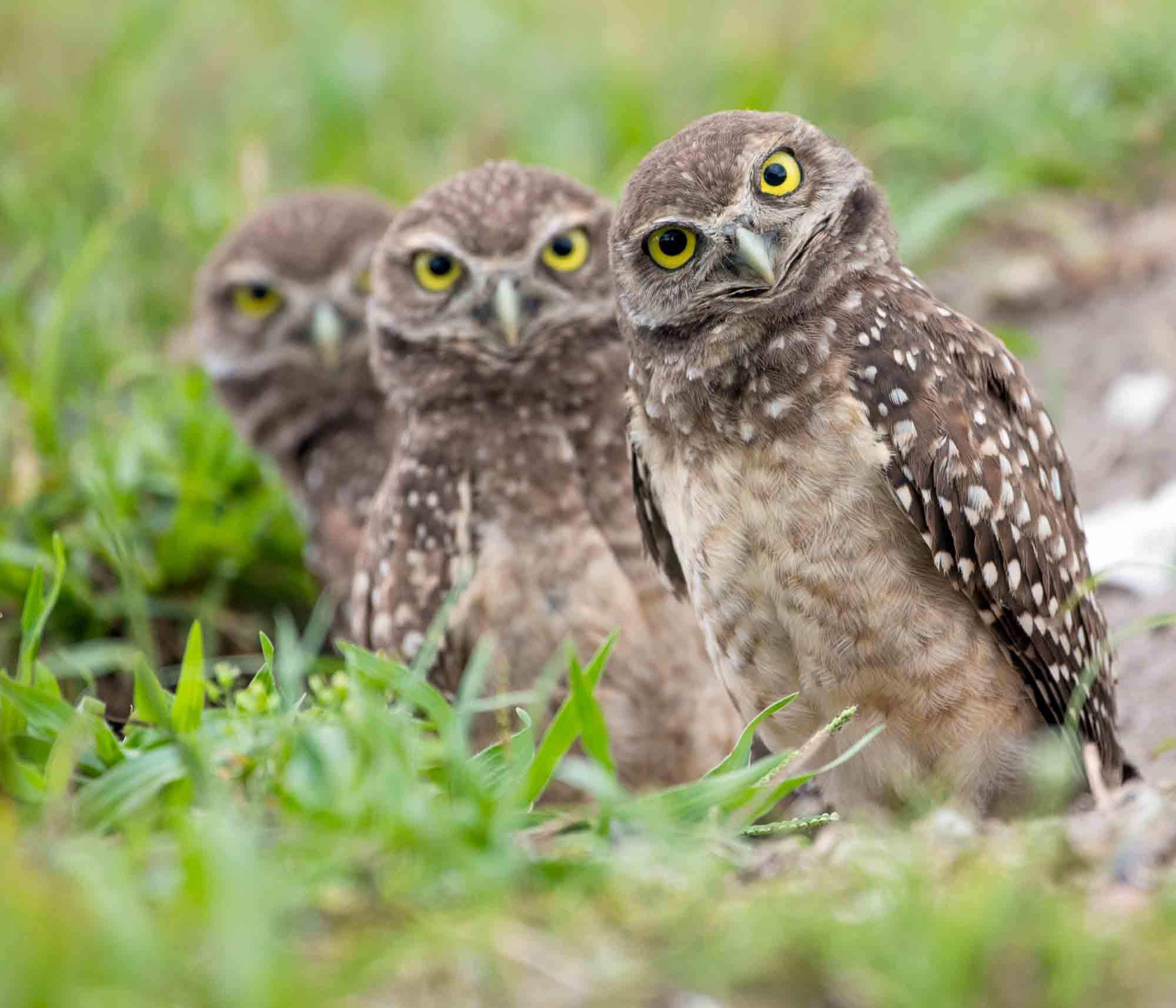
NICEVILLE, Fla. — Burrowing owls are entering their nesting season across Okaloosa County, Walton County, Santa Rosa County, and Eglin Air Force Base, prompting wildlife experts to remind residents how to safely coexist with the protected birds.

Niceville.com Community Partner
According to the University of Florida Institute of Food and Agricultural Sciences (UF/IFAS), Florida’s burrowing owls are beginning to appear more frequently in neighborhoods, parks, golf courses, and open spaces as nesting activity increases.
The small, ground-dwelling owls live in underground burrows and are often seen during daylight hours, making them more noticeable than many other owl species.
UF/IFAS officials say population growth and expanding development across Florida have increased interactions between people and wildlife, making awareness during nesting season especially important.
Florida’s burrowing owls are a geographically distinct, nonmigratory subspecies that remains in the state year-round. They are active both day and night and are even capable of hovering in mid-air, a rare trait among owls.

Niceville.com Community Partner
Nesting season typically runs from January through March, while breeding season extends from February through July. Eggs incubate for approximately 21 to 28 days, and young owls remain with their parents for about 12 weeks before becoming independent.
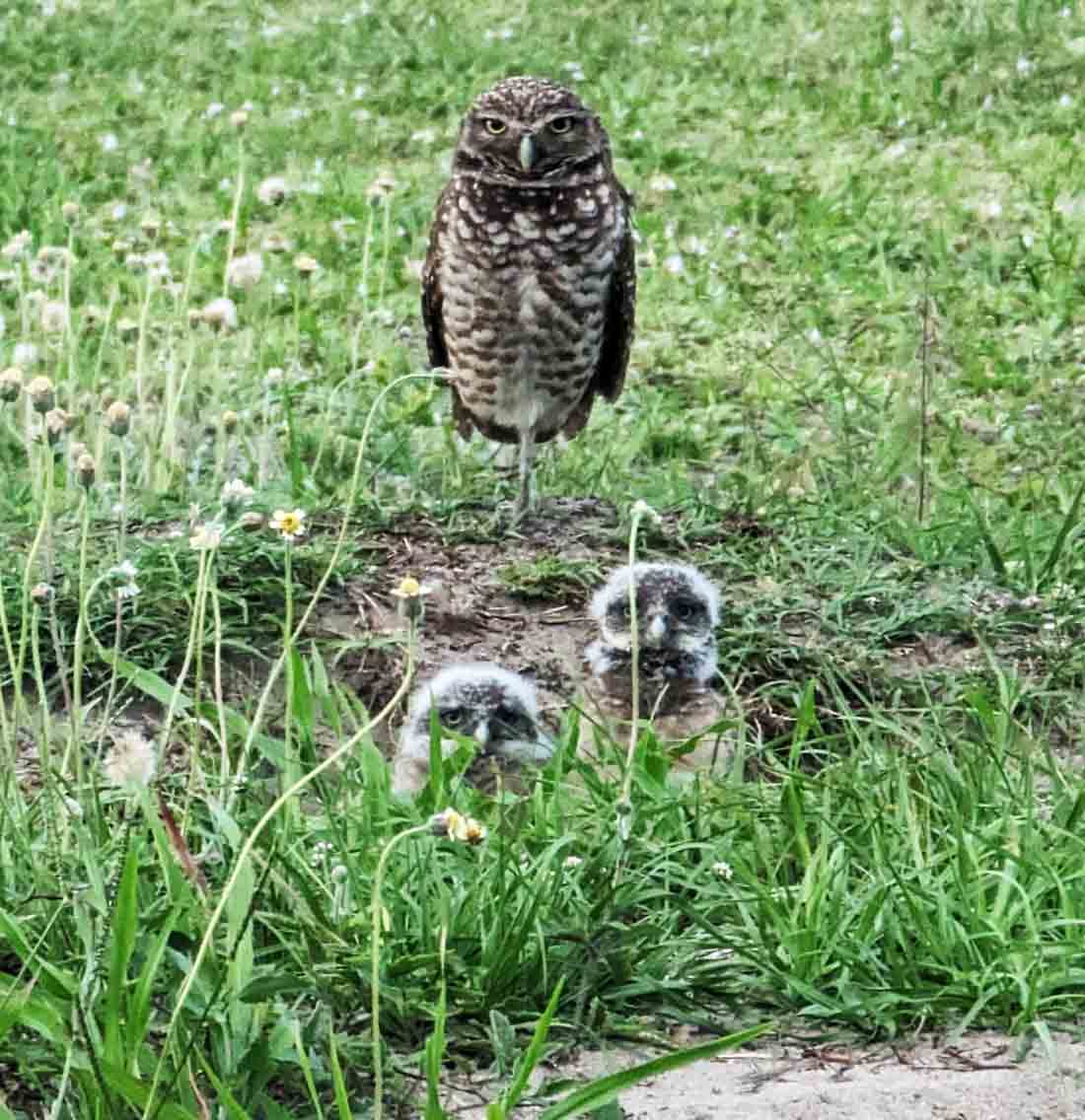
The owls may dig their own burrows or occupy abandoned burrows created by gopher tortoises or armadillos. In some cases, they use man-made structures such as drainage pipes, sewer openings, or PVC tubing.
UF/IFAS experts note that burrowing owls often decorate the entrance of their burrows with feathers, grass clippings, insect parts, branches, and debris — behavior believed to help deter predators.
Because burrowing owls are a protected species, residents are urged to avoid disturbing active burrows. UF/IFAS recommends keeping vegetation trimmed to under five inches near burrow entrances using light equipment such as weed trimmers and avoiding heavy machinery.
Additional recommendations include keeping pets away from burrow sites, limiting pesticide use that could reduce food sources, and installing simple T-perches nearby to give owls better vantage points to watch for predators.

Niceville.com Community Partner