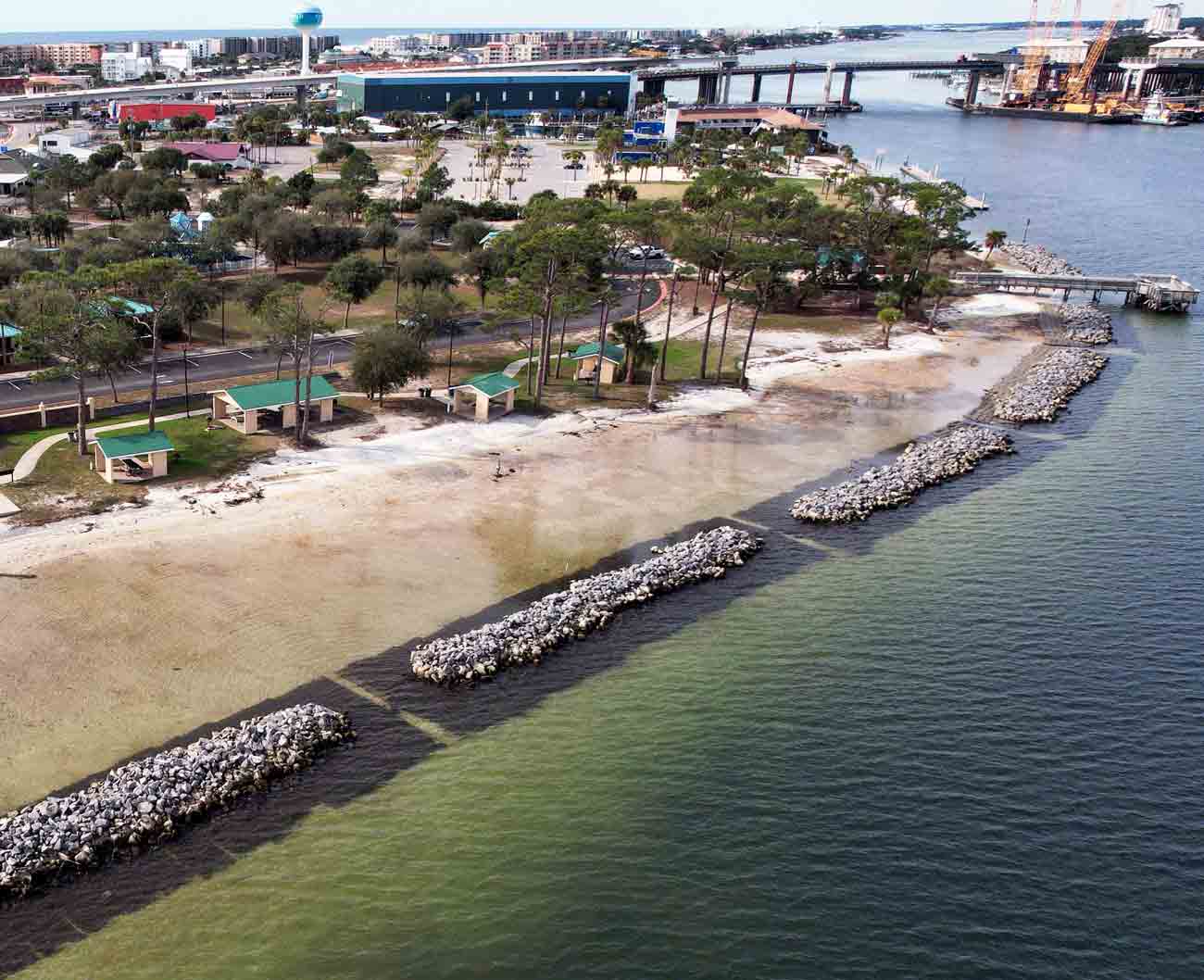
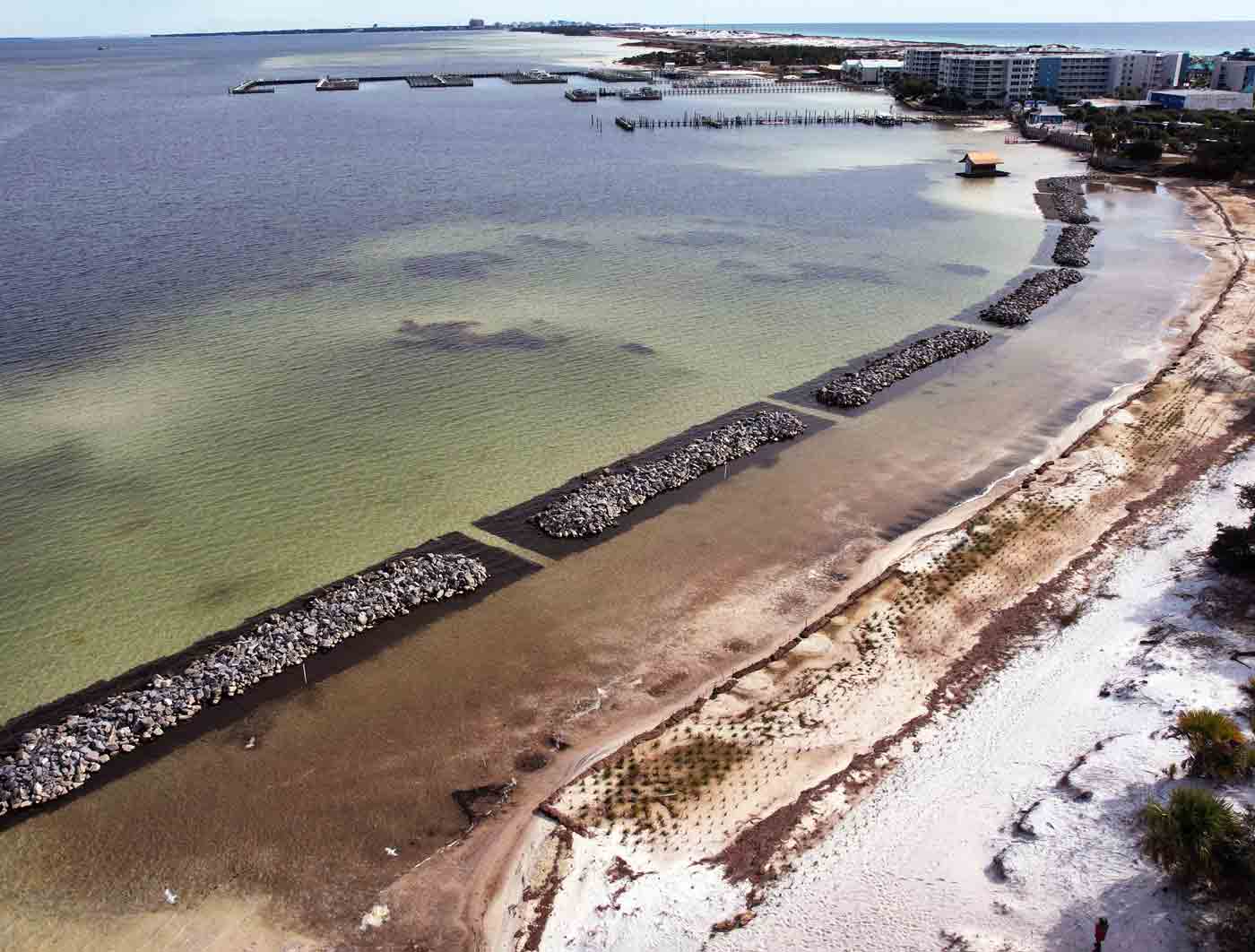
OKALOOSA COUNTY, Fla. — Okaloosa County has completed a 2,000-foot living shoreline project along Choctawhatchee Bay, with a public ribbon-cutting ceremony scheduled for February 12.

Niceville.com Community Partner
The Okaloosa Board of County Commissioners has invited the public to attend the ceremony at Ross Marler Park on Okaloosa Island at 8:30 a.m. on Thursday, February 12.
County officials said the multi-year project was designed as a nature-based solution to reduce erosion while enhancing the ecosystem surrounding nearby Veterans Park and Marler Park.
“This unique landscape is home to so many species that we need to protect,” said Okaloosa County Commissioner Carolyn Ketchel of District 2.
“This living shoreline will supplement their success, the health of our bay and extend the life of these wonderful parks.”

Niceville.com Community Partner
Living shorelines are designed to protect coastal areas from erosion while supporting habitat and improving water quality, according to the University of Florida Institute of Food and Agricultural Sciences Extension. Unlike traditional shoreline barriers such as seawalls or riprap, living shorelines use native vegetation, oyster reefs, coir logs, and other natural materials to stabilize the shoreline.
UF IFAS Extension officials note that living shorelines absorb wave energy, trap sediment, and provide habitat for fish, crabs, and birds. They also offer additional benefits such as nutrient filtration, carbon storage, and improved ecological health.
County leaders said the approach aligns with the parks’ intended use while recognizing the importance of preserving natural surroundings for future generations.
“Projects like these involve a team from multiple departments in the County,” said Okaloosa County Vice Chairman Drew Palmer of District 5.
Niceville.com Community Partner
“I want to thank the engineers, project managers, coastal scientists, and grant specialists who worked together to complete this project and ensure that our shorelines are protected for the future enjoyment of the public.”
Officials said the living shoreline is expected to reduce long-term erosion maintenance costs and may even allow the shoreline to grow over time.
Funding for the project included $1.5 million in tourism bed tax revenue, a $1.5 million grant from the National Fish and Wildlife Foundation, and $1.6 million from the RESTORE Council through the Gulf Consortium.
“It’s never wrong to be good stewards of the blessings that surround us, and thankfully, this now includes our shoreline,” said Okaloosa County Commissioner Sherri Cox of District 3.

Niceville.com Community Partner