NICEVILLE, Fla. — As Florida enters the peak of summer thunderstorm season, University of Florida experts are reminding residents that hearing thunder means lightning is close enough to strike and that taking shelter immediately can save lives.

Niceville.com Community Partner
According to the University of Florida Institute of Food and Agricultural Sciences (UF/IFAS), Florida led the nation with four of the 21 known lightning-related fatalities reported nationwide in 2025. This year, tragedy struck again on July 3 when a lightning bolt killed one person and injured two others on Fort Myers Beach.
To help Floridians stay safe during the summer storm season, UF/IFAS spoke with Lara Milligan, a natural resources Extension agent with UF/IFAS Extension Pinellas County, and Shannon Carnevale, a natural resources Extension agent with UF/IFAS Extension Polk County.
QUESTION: What is the most important thing people should know about lightning?
ANSWER: Lightning should always be taken seriously. If you can hear thunder, you are close enough to be struck by lightning and should seek shelter immediately. Lightning can strike miles away from the center of a storm.

Niceville.com Community Partner
QUESTION: Why is lightning dangerous?
ANSWER: Lightning can cause death or serious injury, including cardiac arrest, burns and long-term neurological effects. It is also a major natural cause of wildfires, particularly during dry conditions when fires can spread rapidly. Although wildfire plays an important role in maintaining healthy Florida ecosystems, it can threaten lives and property when it occurs near developed areas.
QUESTION: What are the most important things you should do when you see lightning?
ANSWER: The most important thing is to pay attention to thunder. Thunder is caused by lightning, so if you hear thunder, lightning is close enough to be a threat. Move indoors immediately and stay there for at least 30 minutes after the last clap of thunder. If you hear thunder again, restart the 30-minute clock.
Anytime you’re outside, keep an eye on the clouds and anticipate a storm before it hits. Tall clouds that look like they’re getting taller are new storms popping up. That’s your warning that you may need to find shelter soon. When the winds change and temperatures suddenly drop, a storm is very close. Find shelter immediately.

Niceville.com Community Partner
QUESTION: What are the most important things NOT to do when lightning is present?
ANSWER: Do not stay in or near water. Do not shelter under a tree, open pavilion, picnic shelter or other open-sided structure. Avoid open fields and isolated tall objects. Instead, seek shelter in a substantial building or a fully enclosed vehicle.
QUESTION: What’s the biggest misconception about lightning?
ANSWER: One of the biggest misconceptions is that you’re safe if the storm isn’t directly overhead. In reality, lightning can strike more than 10 miles away from the thunderstorm that produced it. That’s why we have the saying, “When thunder roars, go indoors.”

Niceville.com Community Partner
QUESTION: What else should the public know about lightning?
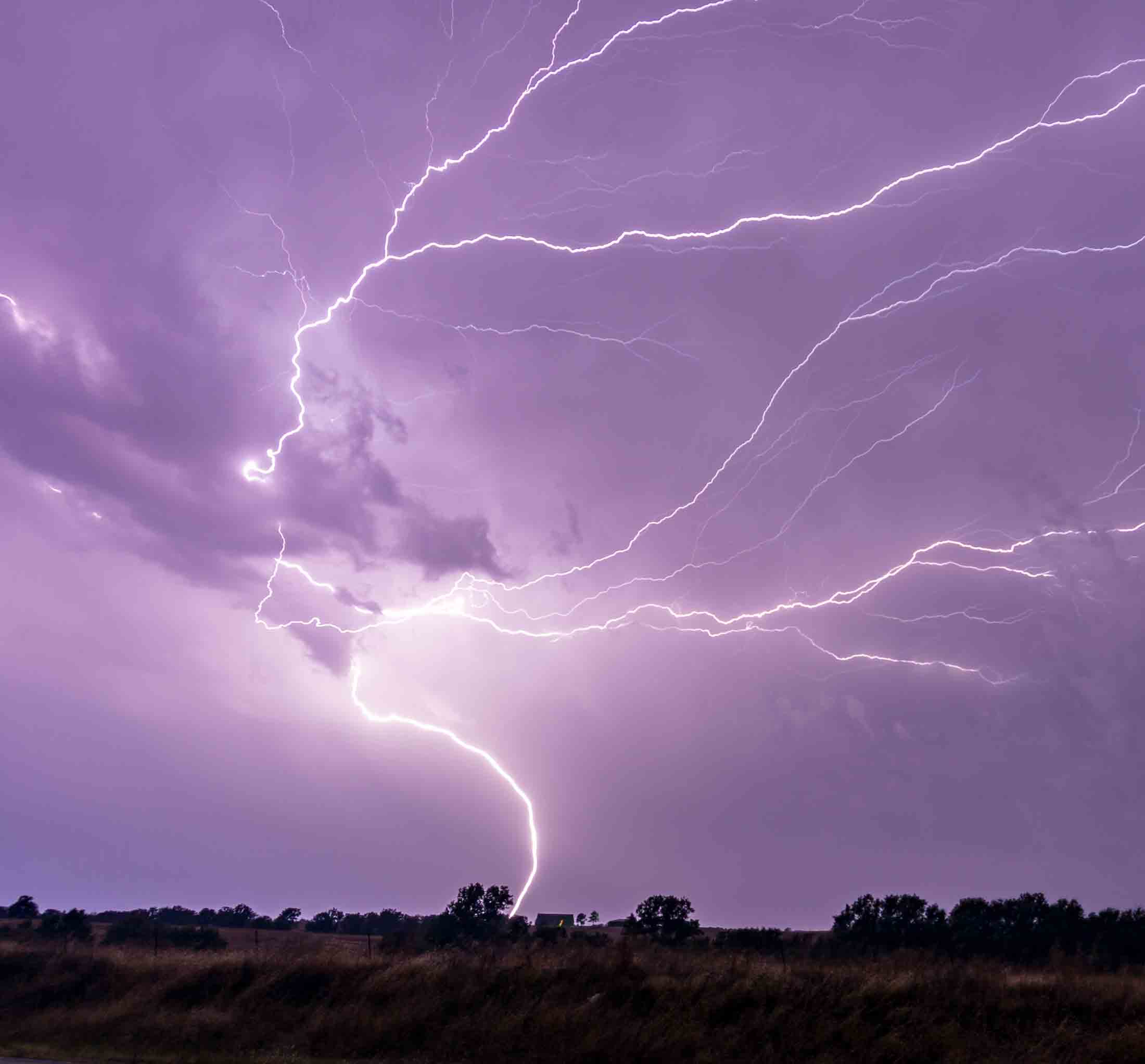
ANSWER: Many people mistakenly think thunder comes before lightning. The truth is lightning causes thunder. A lightning bolt heats the surrounding air to temperatures of about 50,000 degrees, causing the air to expand rapidly and create the sound wave we hear as thunder.
Because light travels much faster than sound, we see lightning almost instantly, while thunder takes longer to reach us. You can estimate the distance between you and a lightning strike by counting the seconds between the flash and the thunder. The correct count is approximately five seconds per mile. For example, if you count 10 seconds between the flash and the thunder, the lightning is about two miles away.
The common practice of counting “one Mississippi, two Mississippi” between the lightning and the sound of thunder, with an estimate that each count equals one mile, is not accurate. People may count five “Mississippis” after a lightning strike over five seconds and assume the storm was five miles away when that strike was actually only one mile away.
UF/IFAS has also produced a podcast featuring Milligan and Carnevale discussing lightning safety and ways to stay safe during Florida’s summer thunderstorm season.
Niceville.com Community Partner