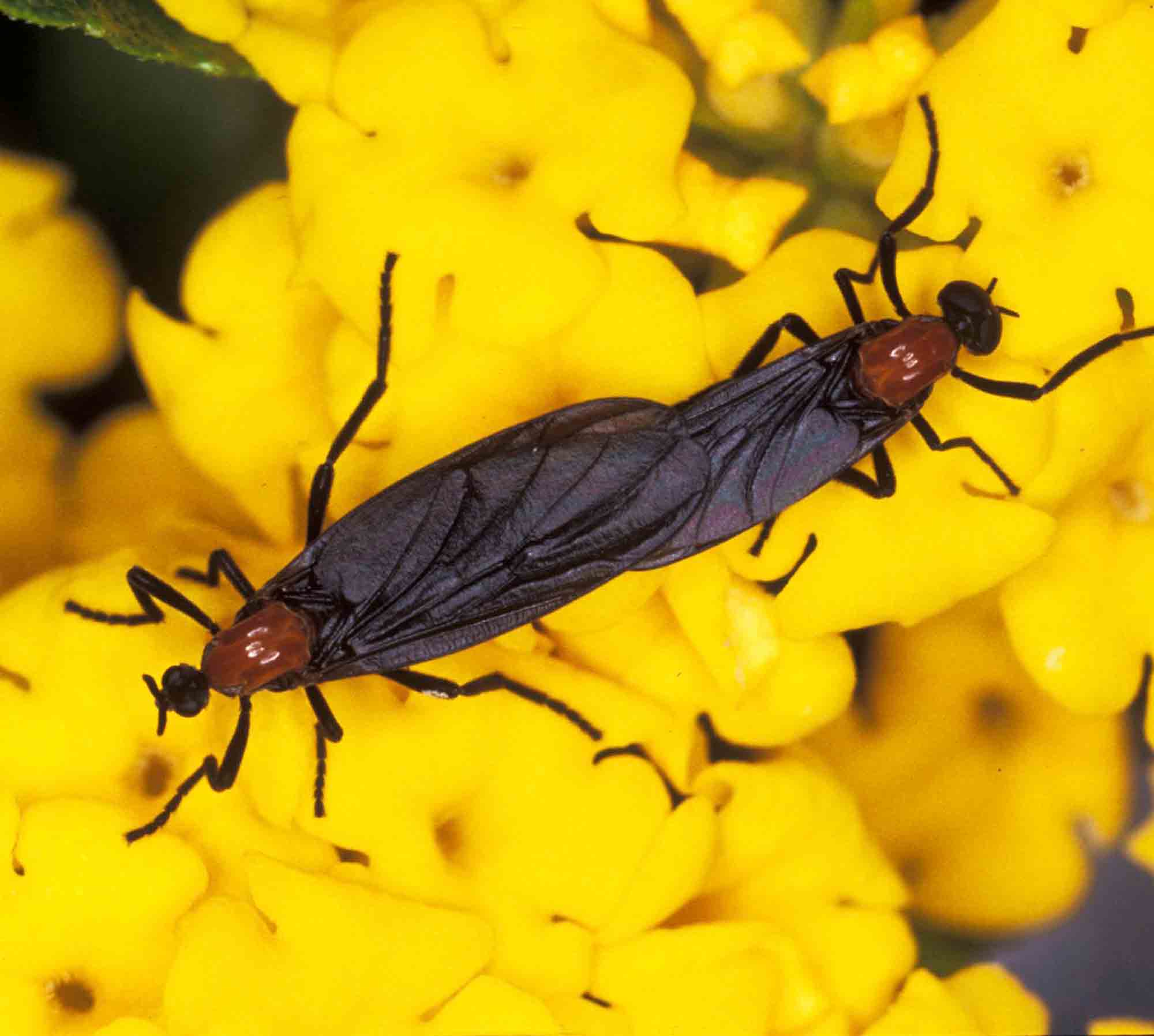
NICEVILLE, Fla. — Lovebugs have started appearing around Niceville and across Northwest Florida in recent days, signaling the return of one of Florida’s most familiar seasonal nuisances.

Niceville.com Community Partner
Residents around the area have reportedly spotted the insects hovering near grassy areas, sidewalks, parking lots, and roadways during the past week or more, though large swarms have not yet developed locally.
According to the University of Florida Institute of Food and Agricultural Sciences (UF/IFAS), the insects may be annoying, but they are harmless to people and pets.
UF/IFAS experts said lovebugs do not bite, sting, spread disease, or intentionally target vehicles, despite long-standing Florida myths about the insects.
“Lovebug adults live for a few days,” said Norman Leppla, University of Florida professor of integrated pest management and biological control.
“They only last for a few weeks in any given location.”
Researchers said the insects appear seasonally because their life cycles are synchronized by environmental conditions such as temperature and humidity.

Niceville.com Community Partner
“Lovebug larvae survive in suitable habitats to become adults at the same time,” said Mr Leppla.
The insects are most active during daylight hours, particularly late mornings and afternoons, and are commonly seen along highways and busy roadways.
According to Mr Leppla, “Lovebugs do not fly at night and are less active in the early morning and late evening.”
UF/IFAS researchers said insecticides and sprays are generally ineffective because the insects continue blowing in from surrounding areas.
“Spraying insecticides can only kill lovebugs that are present. Lovebug adults blow downwind and collect on buildings as more fly in. Their movement depends largely on wind direction,” Mr Leppla said.
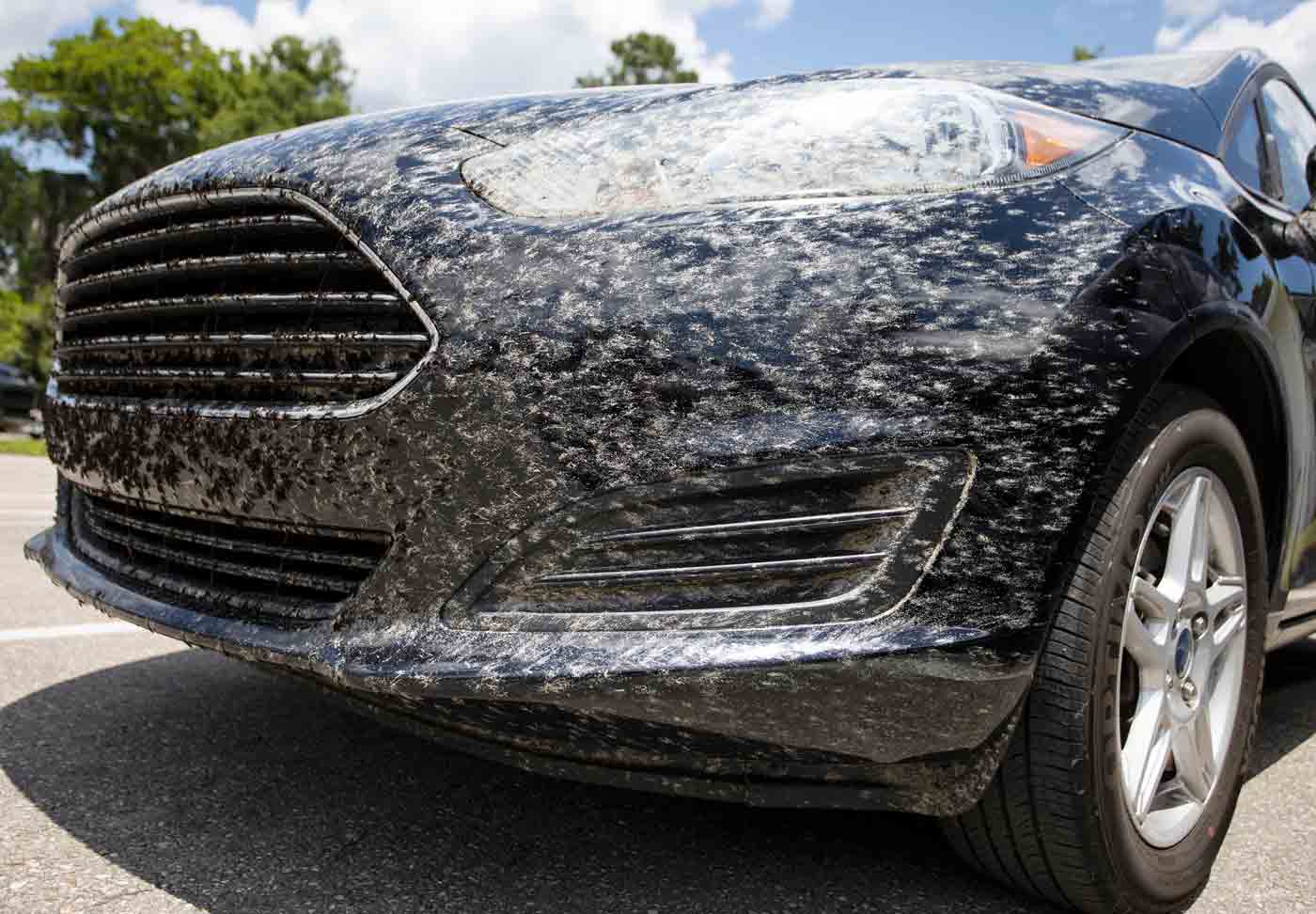
Experts instead recommend practical measures such as using fans, keeping doors and screens closed, and quickly cleaning bug residue from vehicles before it hardens onto paint and headlights.

Niceville.com Community Partner
For drivers traveling around Niceville and across the Emerald Coast, researchers recommend proactively using windshield washer fluid and cleaning vehicles soon after driving through areas with heavy bug activity.
Mr Leppla also offered a simple cleanup tip for stubborn residue.
“Use a moist cloth or a dryer sheet for easy removal,” he said.
Researchers noted that while adult lovebugs can frustrate residents during peak season, their larvae help break down dead plant material and recycle nutrients back into the soil.
Lovebug activity typically lasts only a few weeks before numbers decline naturally, according to UF/IFAS.