
TALLAHASSEE, Fla. — The Florida Department of Highway Safety and Motor Vehicles and the Florida Highway Patrol are reminding drivers that January is Move Over Month, highlighting recent changes to state law that expand protections for vehicles stopped along Florida roadways.

Niceville.com Community Partner
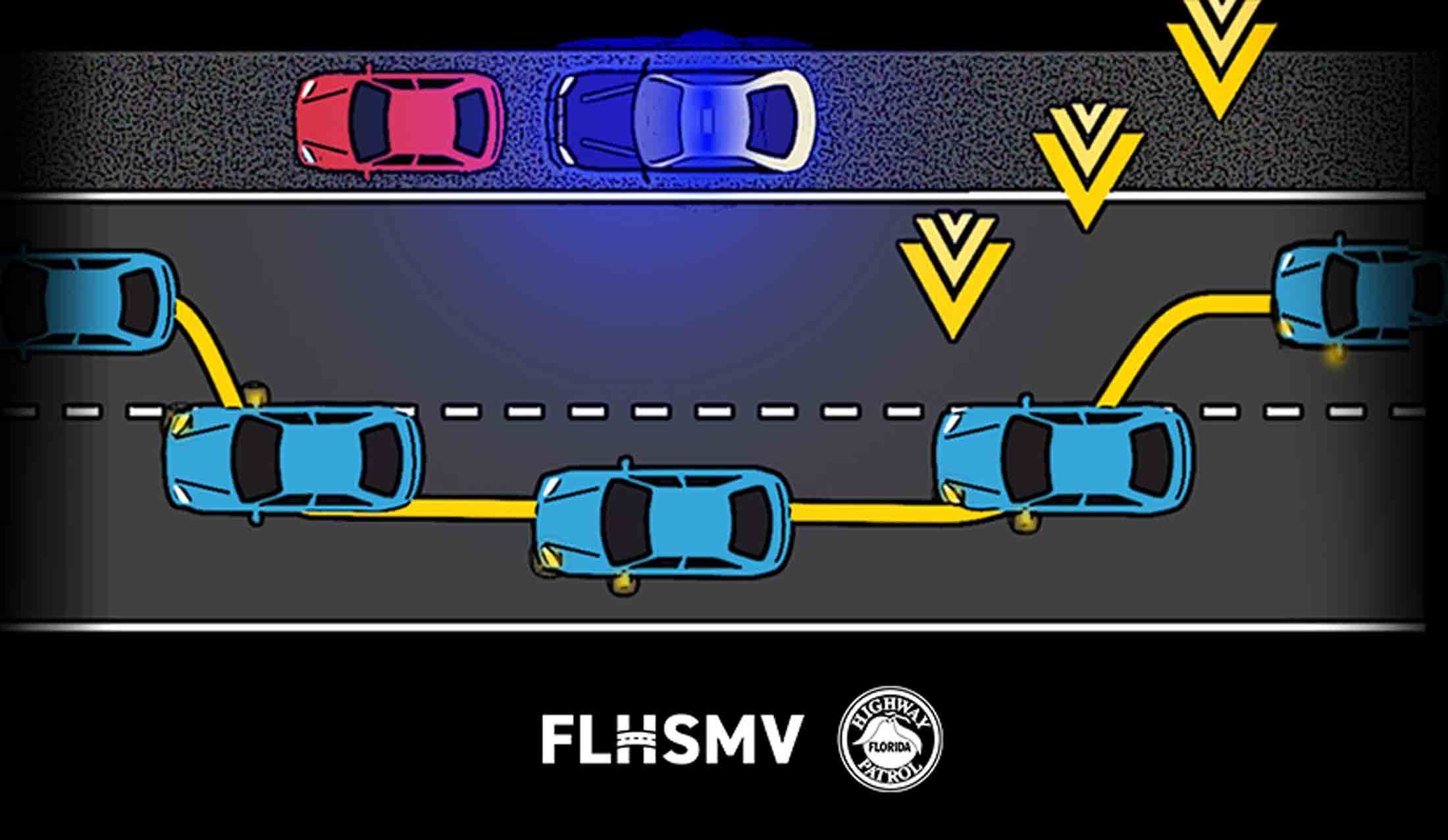
Florida’s Move Over law requires drivers to move over one lane for stopped emergency, service, utility, or disabled vehicles when it is safe to do so, or slow down to 20 mph below the posted speed limit if moving over is not possible.
The law was originally enacted in 2002 to protect law enforcement officers and first responders working on the side of the road.
As of January 1, 2025, the Move Over law was expanded to include any vehicle stopped on the roadside with hazard lights flashing, emergency flares, or visible emergency signage. Disabled vehicles, including those with flat tires, are now explicitly covered under the statute.
“Unfortunately, over the years, we have seen many State Troopers, other law enforcement officers, and service professionals injured or killed by someone not giving them the room to work,” said Executive Director Dave Kerner.
“These are preventable crashes that not only take our officers away from their families, but it also takes members of our communities, who gave freely to make Florida a safer place to live and travel,” he said.
“Please remember to slow down and move over. Lives depend on it.”

Niceville.com Community Partner
Florida Highway Patrol officials said the law applies broadly to emergency responders, tow truck operators, utility crews, and motorists stopped due to vehicle trouble.
“We urge every driver to slow down and Move Over when approaching flashing lights,” said FHP Colonel Gary Howze.
“It’s not just the law. Moving over is common sense, common courtesy, and a simple action that can prevent a 100% preventable tragedy,” he said.
State officials said failing to move over places law enforcement officers, first responders, public servants, and other motorists at serious risk. In 2024, Florida recorded 205 crashes linked to Move Over violations, and more than 17,500 citations were issued statewide.

Niceville.com Community Partner
According to the Florida Department of Highway Safety and Motor Vehicles, drivers ages 20 to 29 are statistically the most likely to violate the Move Over Act. Officials said education on the law is included in the Florida driver handbook and reinforced through driver testing.
Violating the Move Over law can result in fines, court costs, and points on a driver’s license. Additional details are outlined in section 316.126 of Florida Statutes.