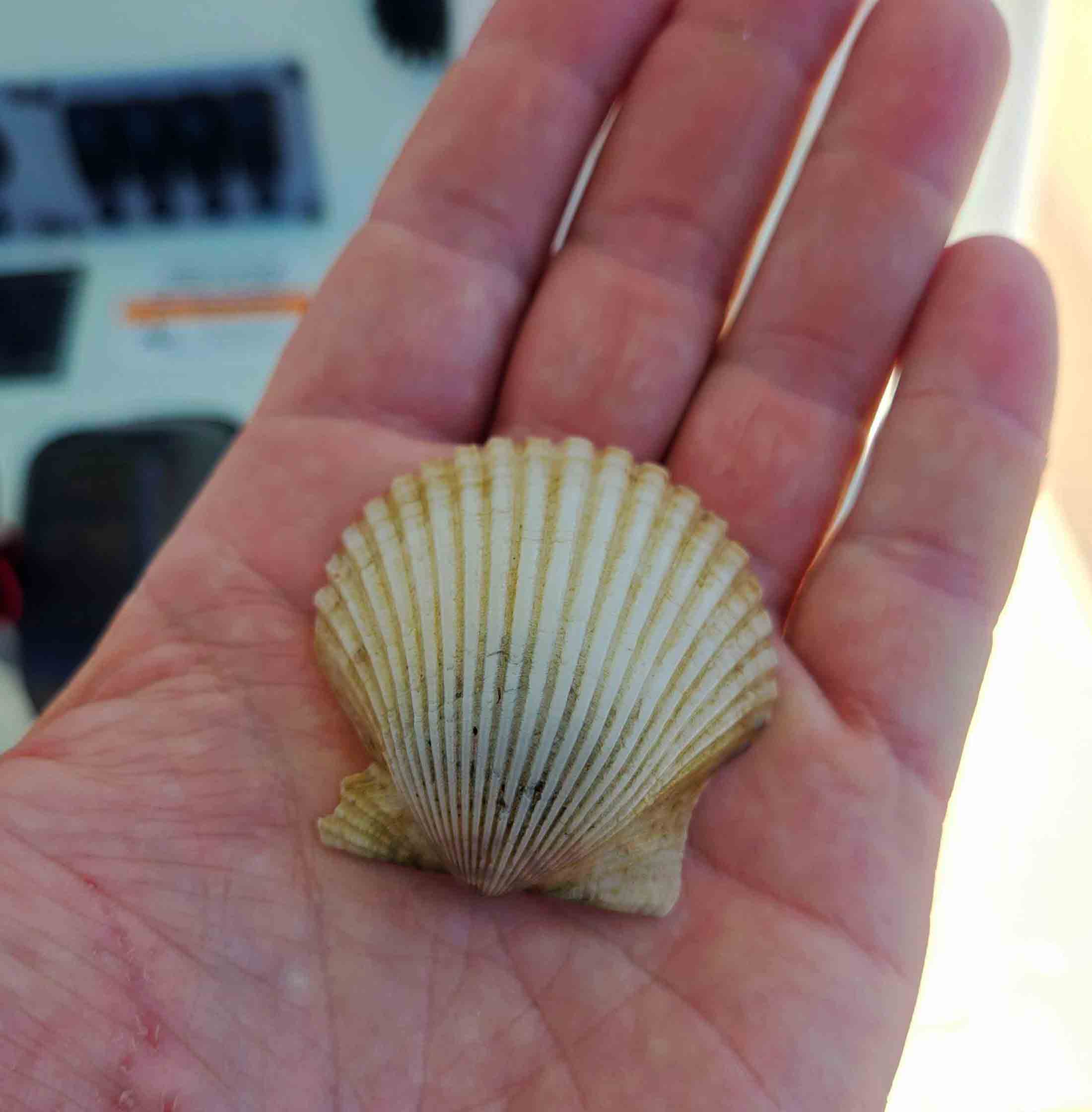
OKALOOSA COUNTY, Fla. — More than 200 bay scallop shells have been found in Choctawhatchee Bay, providing the first physical evidence of scallops in the bay in years, although survey teams found no live scallops during the annual Great Scallop Count.

Niceville.com Community Partner
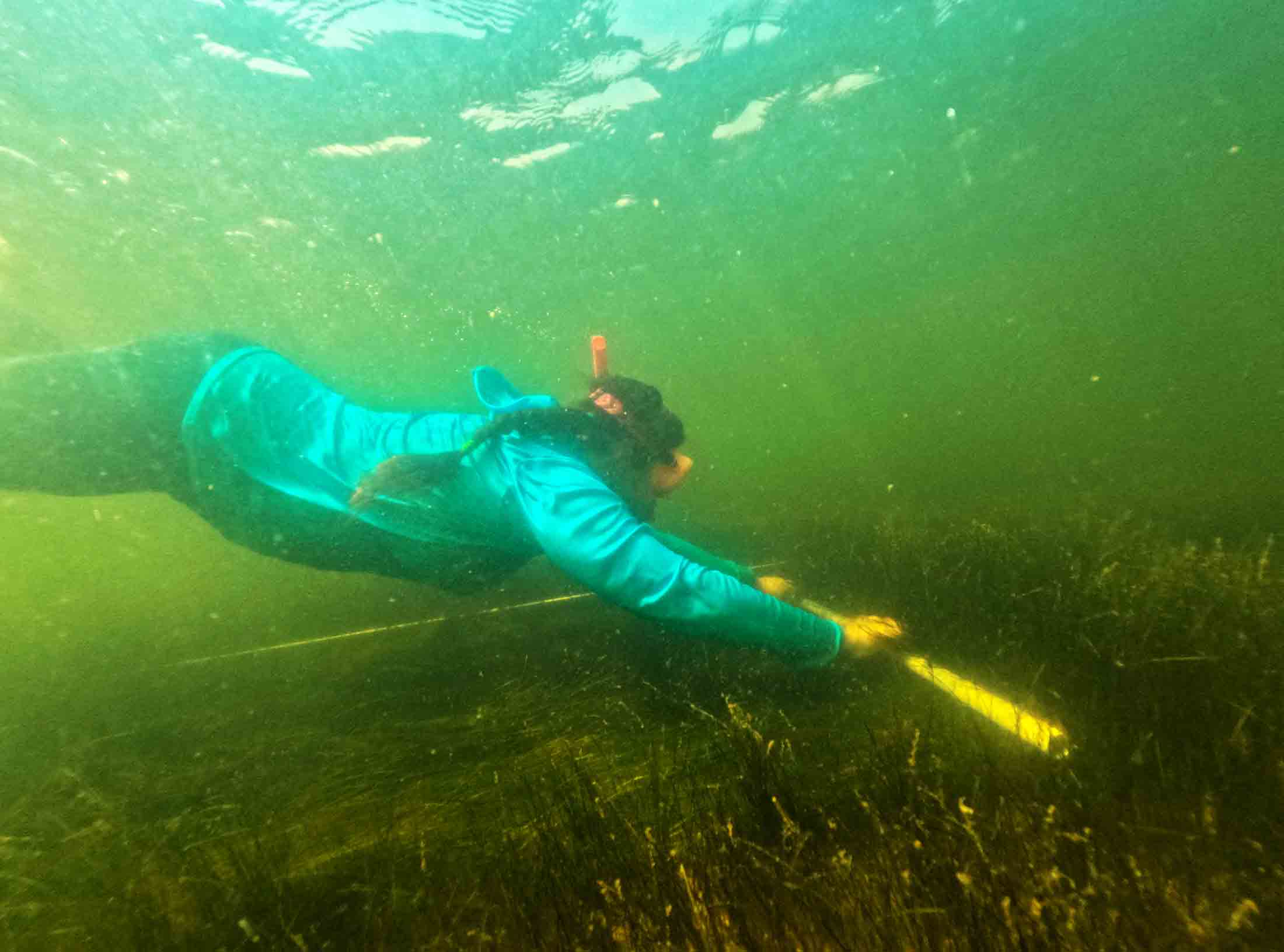
The count, organized by Okaloosa County’s Natural Resources Team and Florida Sea Grant, brought together 29 participants who searched designated survey grids and seagrass beds for scallops. Bay scallops historically were found in Choctawhatchee Bay but have gone unseen there for years, according to Okaloosa County.
“The turnout this year was fantastic, and it made all the difference,” said Danielle Lasseigne, coastal resources coordinator for Okaloosa County.
“With that many people in the water covering ground, we were able to search far more of the bay than we normally could, and that’s exactly how we ended up finding shells for the first time in years.”
By the end of the survey, teams had recovered more than 200 scallop shells. All were empty, and the survey found no live scallops in the area.
The discovery follows preliminary monitoring conducted last month that documented numerous live scallops in the bay. According to the county, those findings had raised hopes that a small population might be reestablishing itself. The absence of live scallops during the latest survey suggests the population may have experienced a mortality event in the intervening weeks.

Niceville.com Community Partner
“Going from live animals last month to nothing but empty shells is tough,” said Dana Stephens of Florida Sea Grant. “But I don’t want that to overshadow what a big deal it is to have confirmed evidence of scallops in this bay again.”
Ms Stephens said the discovery is “the first sign in years that conditions can support them, even if only briefly, and it gives us something concrete to build on.”
Bay scallops are highly sensitive to water-quality conditions. The county said low dissolved oxygen, high water temperatures and changes in salinity are among the conditions that could affect a small, localized population over a short period. Follow-up surveys are planned in the coming months to determine whether any scallops survived.
The Choctawhatchee Basin Alliance participated in the count, while Eglin’s Jackson Guard provided personnel. Luther’s Pontoons donated vessels, allowing volunteer teams to reach survey grids that otherwise would have been difficult to access.
Niceville.com Community Partner
“This is an inspiring find,” said Trey Goodwin, chairman of the Okaloosa County Board of County Commissioners. “Our waters once supported healthy populations of bay scallops, and this discovery offers hope that they can again.”
Mr Goodwin said Okaloosa County is committed to improving the health of its bays and bayous “so that a thriving scallop population can one day return to Choctawhatchee Bay.”
The Great Scallop Count is part of the county’s ongoing effort to monitor the health of Choctawhatchee Bay’s seagrass and shellfish communities. The annual effort relies on community volunteers, or citizen scientists, to cover its survey areas.