Close Menu
  • Home
  • COMMUNITY NEWS
  • LOCAL NEWS & EVENTS
  • SCHOOL NEWS
  • MILITARY NEWS
  • CRIME / PUBLIC SAFETY
  • THINGS TO DO
  • HEALTH & WELLNESS
  • HOME & GARDEN
  • NORTHWEST FLORIDA NEWS
  • FLORIDA NEWS
  • Contact
Facebook
Facebook X (Twitter) YouTube
Niceville.com
Niceville.com
Home»HOME & GARDEN»Chinch bugs active in northwest Fla. lawns
HOME & GARDEN

Chinch bugs active in northwest Fla. lawns

Niceville.comApril 29, 20173 Mins Read
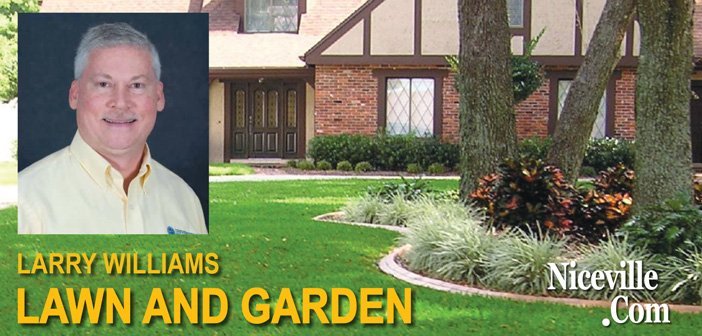
niceville larry williams
Larry Williams,UF/IFAS Extension Agent, Okaloosa County.

This tiny insect prefers St. Augustinegrass and rarely bothers our other lawn grass species. If you have a St. Augustinegrass yard, you need to know how to recognize their damage.

Chinch bugs have gotten off to an early start in local St. Augustinegrass lawns this year.

This tiny insect prefers St. Augustinegrass and rarely bothers our other lawn grass species. If you have a St. Augustinegrass yard, you need to know how to recognize their damage.

Many people misdiagnose the problem because they are not looking for something as small as chinch bugs.

Adult chinch bugs are about 1/10 of an inch in length and are black with white wings.

Nymphs (immature stage) are reddish with a white band across the back and are about 1/20 of an inch in length after hatching. Nymphs become black as they mature.

Because drought stress can promote chinch bug problems, irrigate with ½ to ¾ of an inch of water when the lawn begins to show signs of water need. Don’t irrigate again until wilting begins to occur. Visit http://edis.ifas.ufl.edu/lh025 for details on lawn irrigation.

The kind and amount of fertilizer affect grass growth and chinch bug activity.

Advertisement
Deer Moss Creek® advertisement by Ruckel Properties, Inc. promoting available homes and lots.

Niceville.com Community Partner

You can reduce grass growth rate and possible chinch bug problems simply by using minimum applications of a slow release nitrogen fertilizer as compared to frequent doses of a water soluble nitrogen fertilizer. One to two applications of a slow release lawn fertilizer per year may be sufficient to produce an attractive St. Augustine lawn.

By limiting insecticide use, you can encourage valuable beneficial insects that will help battle chinch bugs. The black big-eyed bug and the earwig are great allies. These two insects consume large numbers of chinch bugs.

During spring through fall, inspect your St. Augustine lawn frequently for signs of chinch bug damage. As they feed, chinch bugs quickly cause yellowish to brownish patches in the grass. Because other factors may cause similar symptoms, it’s important to identify the true cause.

If chinch bugs are found, start control measures promptly. Many lawn insecticides list chinch bugs on their label. It’s best to use a product that can be applied in a hose end sprayer versus a granular application when targeting chinch bugs. Always read and follow label directions before using any pesticide.

To avoid unnecessary environmental contamination and a reduction in beneficial insects, early spot treatments can be applied while infestations are still small. Treat the off-color areas and about a ten-foot buffer zone around each. A few days later, check for effective control. If damage is widespread, the entire yard may need to be treated.

Visit http://edis.ifas.ufl.edu/topic_southern_chinch_bug for more information on chinch bugs.

Larry Williams is the Extension horticulture agent with the Okaloosa County Cooperative Extension Service, University of Florida. Contact Larry at 689-5850 or email lwilliams@co.okaloosa.fl.us.
Share. Facebook Twitter Pinterest LinkedIn Tumblr Email
Previous ArticleFWC approves 78-day recreational red snapper 2017 season in Gulf waters
Next Article Former Airman renewed as Warrior

Related Posts

Well-maintained Florida home with a lush green lawn, landscaped garden beds, and palm trees in the front yard.

Free seminar to teach homeowners how to grow a better lawn

March 4, 2026
Burrowing owls stand near their burrow entrance with one owl tilting its head.

Burrowing owls return to Okaloosa, Walton, Santa Rosa areas

January 23, 2026
Cluster of ripe highbush blueberries growing on a blueberry plant.

Tree giveaway Friday highlights Niceville Arbor Day celebration

January 22, 2026
Advertisement

Niceville.com Community Partner

Categories
  • COMMUNITY NEWS
  • CRIME / PUBLIC SAFETY
  • FLORIDA NEWS
  • HEALTH & WELLNESS
  • HOME & GARDEN
  • IT'S GEEK TO ME
  • LARRY WILLIAMS
  • LOCAL NEWS & EVENTS
  • MARKETPLACE NEWS
  • MILITARY NEWS
  • NORTHWEST FLORIDA NEWS
  • OUTDOORS
  • ROADS / TRANSPORTATION
  • SCHOOL NEWS
  • THINGS TO DO
Advertisement
The Wharf 850 Niceville, Florida

Niceville.com Community Partner

COMMUNITY PARTNERS
  • BETTER BUILT OF NORTHWEST FLORIDA
  • EGLIN FEDERAL CREDIT UNION
  • HAIR EXPRESS
  • MIDBAY VETERINARY HOSPITAL
  • NICEVILLE FARMERS MARKET
  • NICEVILLE INSURANCE AGENCY
  • RUCKEL PROPERTIES, INC.
  • THE WHARF 850
Advertisement
Better Built of NW Florida design studio promoting custom home building and finishes

Niceville.com Community Partner

Categories
  • COMMUNITY NEWS
  • CRIME / PUBLIC SAFETY
  • FLORIDA NEWS
  • HEALTH & WELLNESS
  • HOME & GARDEN
  • IT'S GEEK TO ME
  • LARRY WILLIAMS
  • LOCAL NEWS & EVENTS
  • MARKETPLACE NEWS
  • MILITARY NEWS
  • NORTHWEST FLORIDA NEWS
  • OUTDOORS
  • ROADS / TRANSPORTATION
  • SCHOOL NEWS
  • THINGS TO DO
Advertisement
The Wharf 850 Niceville, Florida

Niceville.com Community Partner

Advertisement
A horizontal digital banner for Midbay Veterinary Hospital featuring a dog and a cat, a blue veterinary cross logo, contact details for Dr. Maya Chapman, and a call-to-action button that says "Click" to make an appointment

Niceville.com Community Partner

ABOUT NICEVILLE.COM

PRIVACY POLICY

TERMS OF SERVICE

© 2026 Niceville.com. All Rights Reserved.

Type above and press Enter to search. Press Esc to cancel.